top of page

(Healing • Safety • Reclaiming Your Story) 

Trauma & PTSD

What Is Trauma & PTSD? 

Trauma happens when you experience something deeply distressing or overwhelming — like an accident, abuse, sudden loss, or other life-threatening events. These experiences can leave lasting effects on how you think, feel, and respond to the world around you. 

Post-Traumatic Stress Disorder (PTSD) can develop when trauma symptoms persist or intensify over time. But not everyone who experiences trauma develops PTSD — healing is possible, and with the right support, you can regain safety, stability, and hope. 

Common Signs of Trauma & PTSD

icon14.png

Intrusive memories, flashbacks, or nightmares

icon13.png

Avoiding places, people, or conversations that trigger memories

icon10.png

Intense guilt, shame, or self-blame

icon14.png

Feeling “on edge,” hyper-alert, or easily startled

icon10.png

Emotional numbness, detachment, or feeling disconnected from yourself

icon15.png

Difficulty trusting others or maintaining relationships

Tip: Trauma responses are normal reactions to overwhelming events. You’re not broken — your mind and body are trying to protect you. 

How Therapy Can Help?

At Mind Voice, we provide a safe, compassionate space to process your trauma and rebuild a sense of control. Together, we can: 

pexels-pixabay-42230.jpg

Understand how your past experiences affect your thoughts, emotions, and body 

Yoga by the Sea

Learn grounding techniques to manage flashbacks, anxiety, and emotional overwhelm 

pexels-polina-tankilevitch-5234582.jpg

Use evidence-based approaches like Cognitive Behavioral Therapy (CBT), trauma-focused therapy, and mindfulness strategies 

Image by krakenimages

Reconnect with your strengths, rebuild trust, and create a path toward healing 

You don’t have to face painful memories alone — we move at your pace, focusing on safety and emotional stability first. 

What Can You Do Now?

Fix Heart

Ground yourself — Use your senses to notice your surroundings: name 5 things you see, 4 you touch, 3 you hear, 2 you smell, 1 you taste 

Breathing

Practice slow breathing — Deep, steady breaths help calm your nervous system 

Journal

Journal gently — Write small reflections about what you’re feeling, not just what happened 

Connect with support — Talk to someone you trust or join a support group 

Prioritize rest and self-care — Nourish your body and mind without pressure 

When To Seek Help?

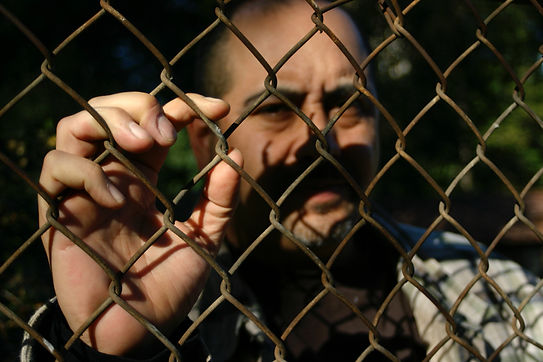
Image from Pexel

You may benefit from therapy if: 

  • Flashbacks, nightmares, or intrusive thoughts interfere with daily life 

  • You feel emotionally numb, detached, or unable to enjoy activities 

  • You avoid people, places, or situations connected to the trauma 

  • Anxiety, panic, or mood swings feel overwhelming 

  • You’re struggling to trust, connect, or feel safe again 

If you ever have thoughts of self-harm or suicide, please seek help immediately by calling 911 in Canada or visiting your nearest emergency department. 

image from pexel
pexels-askar-abayev-5638465.jpg

Healing from trauma takes time, but you don’t have to do it alone.

Support is available — and recovery is possible. 

Mind Voice

服務內容

關注議題

營業時間

8AM - 5PM

8AM - 5PM

8AM - 5PM

8AM - 5PM

8AM - 5PM

8AM - 5PM

8AM - 5PM

星期一
星期二
星期三
星期四
星期五
星期六
星期日

> 焦慮

​​

> 抑鬱

​​

> 壓力與職業倦怠

​​

> 人生轉變與適應

​​

> 創傷與創傷後壓力症(PTSD)

​​

> 自我價值與身份認同

​​

> 成癮及強迫性行為

​​

> 憤怒與情緒調節

​​

> 哀傷與失落

​​

> 關係與家庭問題

> 個人治療

​​

> 伴侶治療

​​

> 家庭輔導

​​

> 兒童及青少年輔導

> 小組治療

> 臨床督導

> 首頁

> 關於我們

> 認識我們的團隊

> 聯絡我們

© 2025 All Rights Reserved | Mind Voice Psychotherapy | mindvoice

bottom of page